
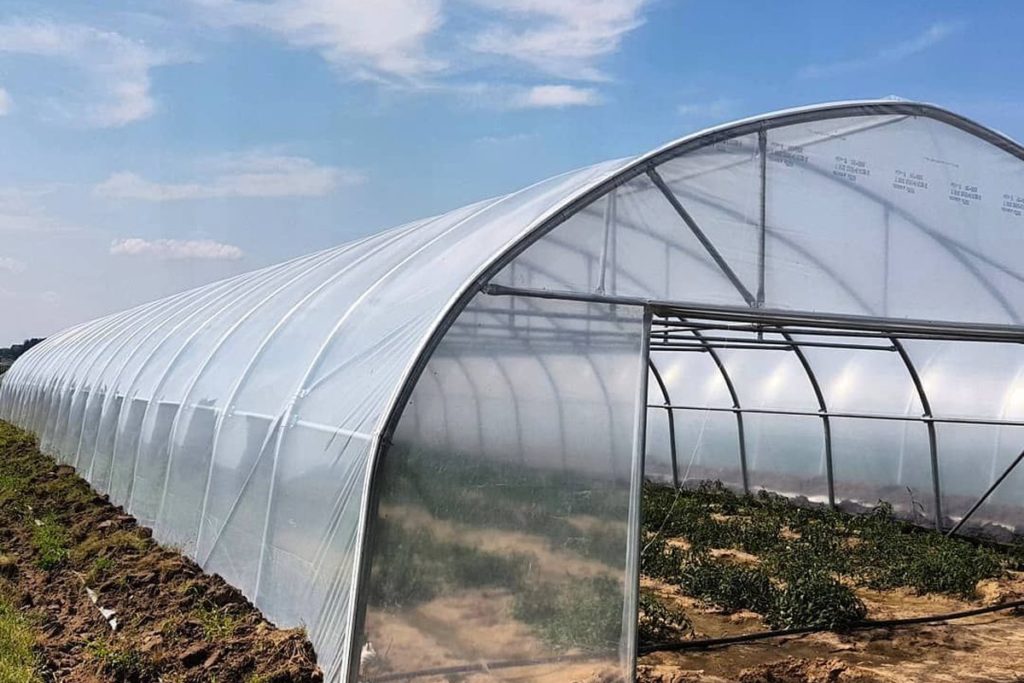
Greenhouse film is usually bought by thickness, and the two specifications growers ask us about most are 150 micron and 200 micron. They are both standard greenhouse films — the right choice is not the thicker one, but the one that matches your structure, your climate and how long the film stays on the frame. This guide compares them side by side. If you are still comparing film features in general, start with What Are the Key Features of a Good Greenhouse Film?
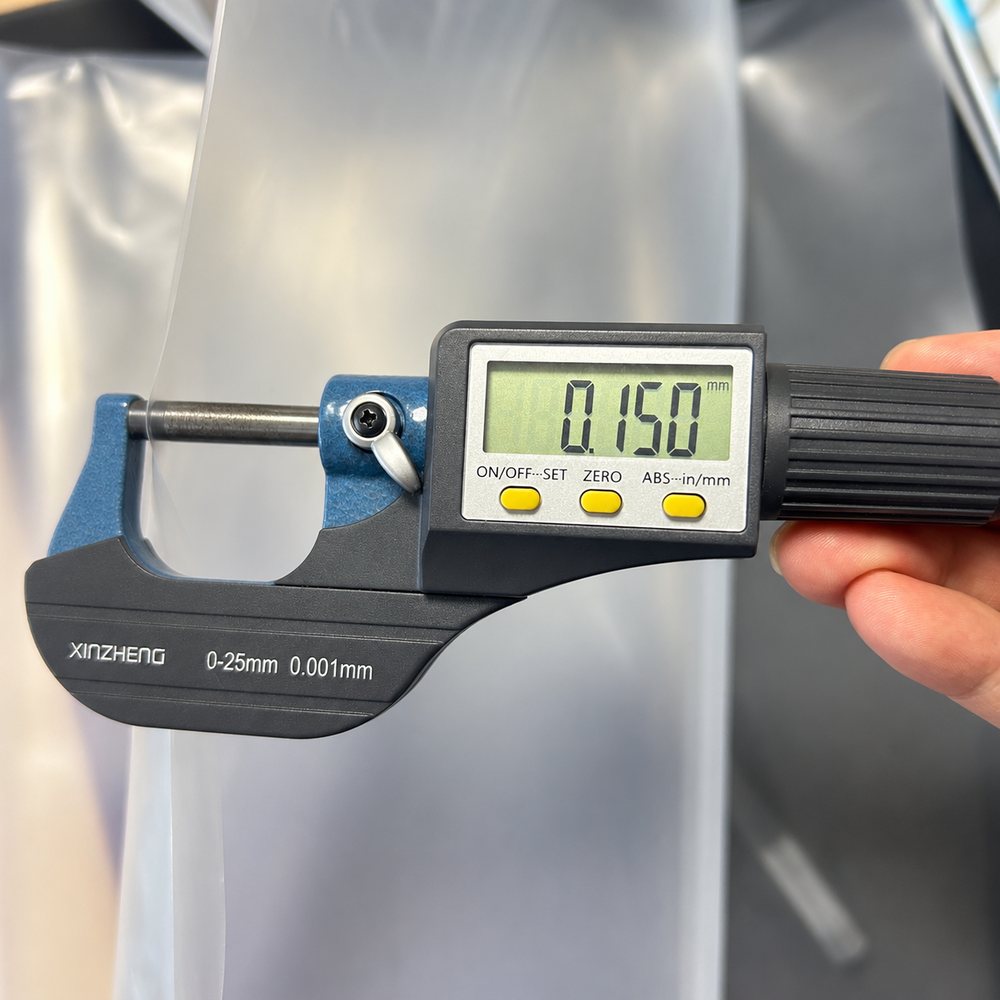
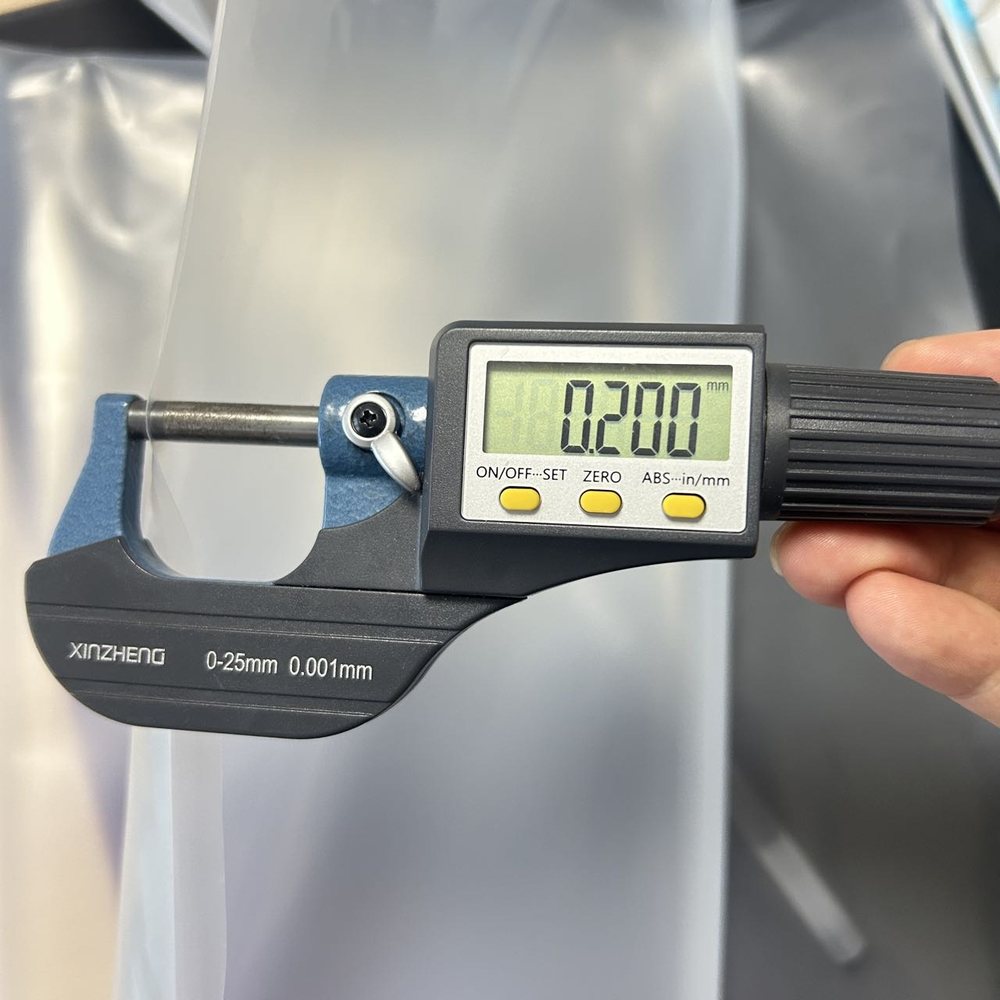
Thickness in Micron and Mil
Greenhouse film thickness is given in microns in most of the world and in mil in the United States. The conversions that matter here:
| Micron | Mil (approx.) | Typical positioning |
|---|---|---|
| 120 micron | 5 mil | Light-duty, seasonal covers |
| 150 micron | 6 mil | The standard for most vegetable and flower greenhouses |
| 180 micron | 7 mil | Stronger film for larger spans |
| 200 micron | 8 mil | High-wind areas and multi-season structures |
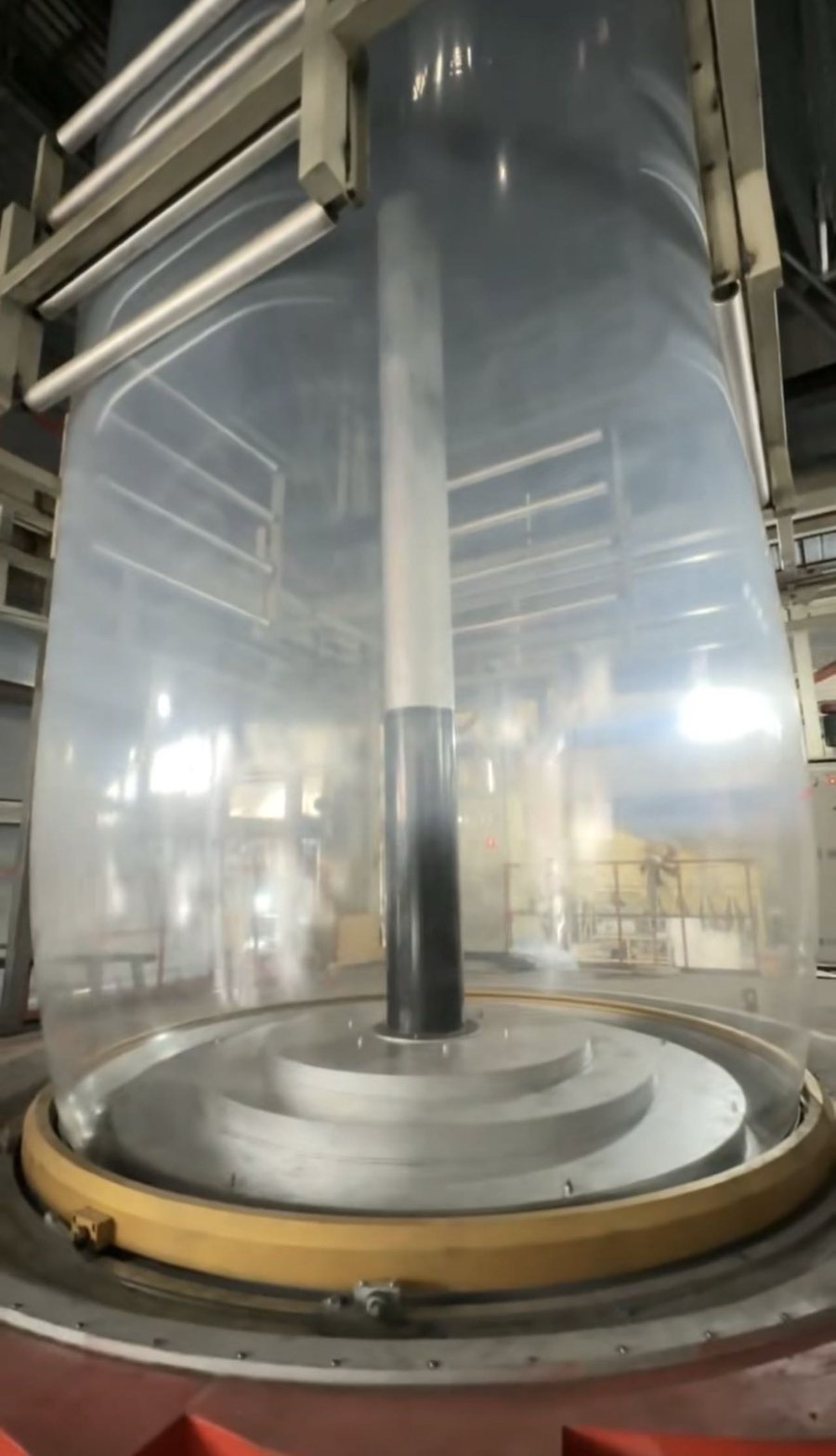
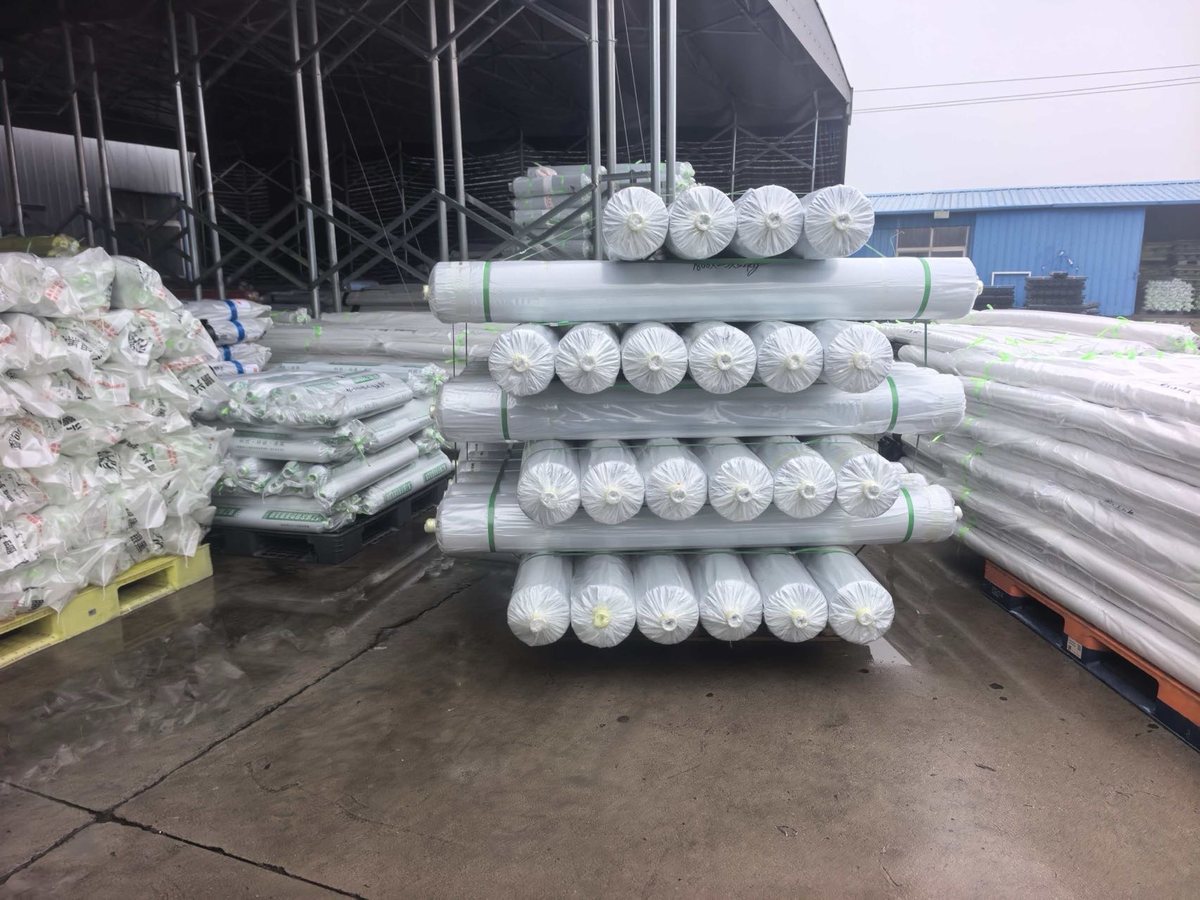
YDH Plastic manufactures blown greenhouse film from 120 to 200 micron, in widths up to 18 m, so one sheet can cover a wide structure without seams. See the full range on our Greenhouse Film page.
What Extra Thickness Actually Buys You
Going from 150 to 200 micron adds about a third more material. That buys three things:
1. Tear and puncture resistance. A thicker film tolerates fixing points, frame edges and wind flutter better — the places where greenhouse film usually fails first.
2. Wind load margin. On exposed sites and wide spans, the film works like a sail. Extra thickness is cheap insurance against a storm-season replacement.
3. Handling strength. Wider sheets are heavier to pull over a structure; a 200 micron film survives installation handling with less stretching and damage.
What it does not buy is more light. Light transmission is set mainly by the film’s material and additives, not its thickness class — our standard 150 micron greenhouse film transmits about 90% of light, with anti-drip treatment to keep condensation from dripping on the crop.
When 150 Micron Is the Right Choice
Choose 150 micron (6 mil) when the structure is a standard tunnel or multi-span greenhouse in a moderate climate, when the film is replaced on a planned cycle and installation cost matters, or when the crop cycle is seasonal and the house is re-covered regularly. This is why 150 micron is the most requested specification we ship: it balances strength, light and cost for the majority of vegetable and flower projects.
When to Step Up to 200 Micron
Choose 200 micron (8 mil) when the site is windy, coastal or at altitude, when the span is wide, when the film must stay on the structure through several seasons without replacement, or when the frame has rough edges or fixing points that stress the film.
If even 200 micron blown film is not enough for the wind load, the next step is not more thickness but a different construction: a woven, string-reinforced greenhouse film (200–300 micron), where a reinforcing scrim carries the load.
Decide by Cost per Season, Not Price per Roll
A 200 micron roll costs more than a 150 micron roll, but the comparison that matters is cost per season of use. If a thicker film avoids one storm replacement — material, labour and a crop left uncovered — it is the cheaper film. If your climate is mild and you re-cover on schedule, paying for thickness you never use is waste. Match the film to the site, and both specifications are good value.
FAQ
What mil plastic should I use for a greenhouse?
For most greenhouses, 6 mil (about 150 micron) UV-stabilised film is the standard choice. Step up to 8 mil (about 200 micron) for windy or coastal sites, wide spans, or when the film must stay on the structure for several seasons. Lighter film (120 micron, about 5 mil) suits light-duty, seasonal covers.
Is 200 micron greenhouse film always better than 150 micron?
No. 200 micron is stronger, but on a sheltered, standard structure it adds cost without adding useful life. 150 micron is the standard specification for most greenhouses; 200 micron is for high wind load, wide spans and multi-season use.
How many mil is 150 micron greenhouse film?
150 micron is approximately 6 mil. 200 micron is approximately 8 mil.
Can one sheet cover my whole greenhouse?
Our blown greenhouse film is produced in widths up to 18 m, so most tunnels and spans can be covered with a single sheet and no seams. Send us your structure’s dimensions and we will confirm the width you need.